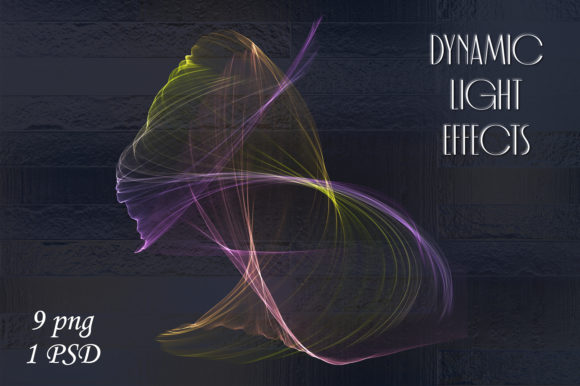
Dynamic Light Effects. Overlays. for Stunning Visuals
Dynamic Light Effects. Overlays. are a powerful tool for enhancing visual design across a wide range of applications. Whether you're creating web graphics, photo overlays, or promotional materials, these effects can add a professional and eye-catching touch to your work. From neon light effects to iridescent flame elements, the right overlay can transform a simple design into something truly magical.
What Are Dynamic Light Effects. Overlays.?
Dynamic Light Effects. Overlays. refer to pre-designed graphic elements that simulate glowing, reflective, or animated light effects. These overlays are typically provided as high-resolution PNG files or layered PSDs, making them easy to integrate into any project. They include elements like transparent light overlays, holographic effects, light trails, flares, and more. These assets are ideal for web designers, photographers, and digital artists looking to elevate their visuals without complex editing.
Why People Use Dynamic Light Effects. Overlays.
Many users turn to Dynamic Light Effects. Overlays. because they offer a quick and effective way to enhance their designs. Instead of spending hours creating custom light effects from scratch, these overlays provide ready-to-use elements that can be applied with minimal effort. They’re especially useful for adding depth, drama, or a sense of motion to static images or layouts.
Common Mistakes When Using Dynamic Light Effects. Overlays.
Despite their benefits, some users make mistakes when choosing or applying Dynamic Light Effects. Overlays. that can lead to subpar results. One common error is selecting low-quality or poorly optimized files. Not all overlays are created equal—some may have pixelation, incorrect resolution, or poor transparency, which can ruin the final output.
Another mistake is using overlays that don’t match the overall style or theme of the design. For example, an iridescent flame element might look out of place on a minimalist poster, just as a neon glow could clash with a vintage-themed flyer. It’s important to consider how the overlay interacts with other design elements.
Misunderstandings About Transparency and Resolution
Some users overlook the importance of transparency when working with light overlays. A transparent light overlay should allow the background to show through while maintaining the glow or reflection effect. If the transparency isn’t properly set, the overlay may appear flat or unnatural. Always check that the PNG files have a transparent background and that the lighting effect is correctly layered.
Resolution is another overlooked detail. Many overlays are available in different sizes, but not all are suitable for every use case. For instance, a 3000 px image may be perfect for a large banner, but using it on a small card could result in unnecessary file size and slower performance. Always choose the right resolution based on the intended application.
How to Avoid Common Pitfalls
To get the most out of Dynamic Light Effects. Overlays., start by carefully evaluating the quality and compatibility of the files. Look for high-resolution PNGs with proper transparency and clear documentation about the included elements. If a package includes a PSD, make sure it’s organized and easy to edit, allowing for flexibility in your design workflow.
Another practical tip is to test the overlays in different contexts before finalizing a project. Apply them to sample images or mockups to see how they interact with colors, textures, and other design elements. This helps identify any issues early and ensures a cohesive final result.
Realistic Examples of Better Choices
Consider a scenario where a designer wants to create a vibrant social media post. Instead of using a generic glow effect, they opt for a custom transparent light overlay that complements the color scheme. The result is a polished, professional-looking image that stands out without overwhelming the viewer.
Similarly, a marketer preparing a product flyer might choose a holographic light trail to draw attention to key features. By selecting an overlay that matches the brand’s aesthetic, they create a visually engaging design that aligns with the overall message and style.
What to Check Before Using Dynamic Light Effects. Overlays.
Before downloading or purchasing Dynamic Light Effects. Overlays., take time to review the details provided. Check the file format, resolution, and transparency settings. Read user reviews or ask for samples if possible. Some providers may offer free trials or limited versions, which can help you assess the quality before committing to a full purchase.
Also, consider the licensing terms. Make sure the overlays can be used for your intended purpose, whether it’s personal, commercial, or for resale. Some packages may have restrictions that could limit your ability to use the assets effectively.
Final Tips for Effective Use
Dynamic Light Effects. Overlays. can be a game-changer for your design projects, but only if used thoughtfully. Start by understanding your needs and selecting the right tools. Test, adjust, and refine your approach to ensure the best results. With the right overlays and a bit of creativity, you can bring your designs to life in ways that captivate and inspire.