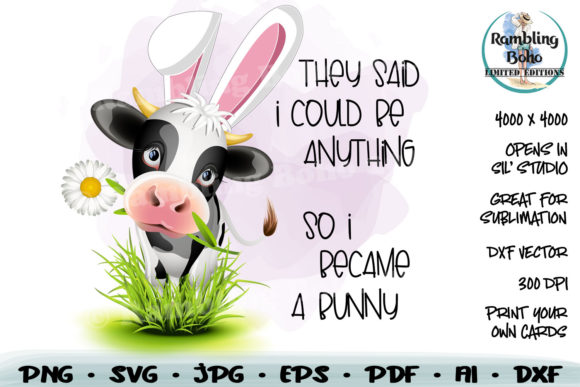
They Said I Could Be Anything and So I Became a Bunny
The phrase "They Said I Could Be Anything and So I Became a Bunny" is more than just a catchy title—it's a statement of possibility, creativity, and transformation. It represents the journey of turning abstract ideas into tangible, high-quality digital assets that can be used across multiple platforms and mediums. This design isn't just a visual; it's a versatile tool that fits into various workflows, from personal projects to professional endeavors.
Whether you're an entrepreneur looking for unique branding elements, a designer seeking customizable graphics, or a hobbyist exploring creative expression, this design offers flexibility and value. Its adaptability makes it a powerful addition to your digital toolkit, allowing you to bring your vision to life in ways that align with your specific needs and goals.
Understanding the Design and Its Applications
The "They Said I Could Be Anything and So I Became a Bunny" design is a high-quality digital asset that can be used on the web, for print, or for sublimation on items like cards, mugs, towels, tumblers, and t-shirts. Its rich colors and simple lines make it visually striking while maintaining clarity and consistency across different formats.
This design is particularly useful when you need a strong visual identity that can be adapted to various contexts. Whether you're creating merchandise for a small business, designing custom apparel, or developing content for social media, the design provides a solid foundation that can be modified and integrated seamlessly into your workflow.
File Formats and Their Uses
The design comes in multiple file formats to suit different needs and software requirements. The PNG format offers a transparent background, making it ideal for web use or overlaying on other images. The JPG format ensures high-quality visuals for print or digital displays. The SVG format is compatible with Silhouette Studio, making it perfect for print cuts, iron-ons, stickers, and waterslides.
The EPS and AI formats are flattened to preserve the integrity of the design elements, ensuring consistency when used in graphic design software. The PDF format is suitable for printing, while the DXF format provides vector paths for cutting machines, laser engraving, CAD, or editing. These formats allow for easy integration into various production processes, whether you're working with digital tools or physical manufacturing.
Workflow Integration and Practical Implementation
Integrating "They Said I Could Be Anything and So I Became a Bunny" into your workflow requires careful planning and organization. Before starting a project, consider how this design will fit into your overall strategy. Will it serve as a brand element, a marketing asset, or a personal creative piece? Understanding its purpose helps determine the best way to use and modify it.
During the execution phase, the design can be adjusted to match your specific requirements. For example, if you're using it for print, ensure that the resolution and color settings meet the standards of your printer. If you're working with digital tools, test the design in different programs to verify compatibility and quality. This step ensures that the final output meets your expectations and maintains the integrity of the original design.
Preparation and Compatibility
Before using the design, take time to prepare your workspace and tools. Ensure that your software is up-to-date and capable of handling the file formats provided. For instance, if you're using Silhouette Studio, confirm that the SVG file opens correctly and that all elements are editable. If you're working with a laser cutter or CNC machine, check that the DXF file is properly formatted for cutting.
Compatibility is key when working with digital assets. Different programs may interpret files in slightly different ways, so it's important to test the design in your intended environment. This practice helps identify and resolve any issues before they become problematic during production.
Usability and Efficiency
The usability of "They Said I Could Be Anything and So I Became a Bunny" depends on how well it aligns with your workflow. Its simple lines and rich colors make it easy to work with, but its versatility also means that it can be customized to fit specific needs. Whether you're adjusting the size, modifying the colors, or integrating it into a larger design, the file structure allows for efficient modifications without compromising quality.
Efficiency is another important factor. By using a single design across multiple platforms, you reduce the need for redundant work and streamline your creative process. This approach saves time and resources, allowing you to focus on other aspects of your project or business.
Organization and Consistency
Maintaining organization is essential when working with digital assets. Keep your files structured and labeled clearly to avoid confusion, especially if you're using the design in multiple projects. Create folders for different file types and versions, and maintain a consistent naming convention to make it easier to locate and access the files when needed.
Consistency is equally important. When using the design across different mediums, ensure that the colors, sizes, and layouts remain aligned with your brand or project guidelines. This consistency helps reinforce your message and creates a cohesive visual identity that resonates with your audience.
Quality Control and Long-Term Use
Quality control is a critical step in the design process. Before finalizing your project, review the design in different formats and environments to ensure that it meets your standards. Check for any discrepancies in color, alignment, or resolution that could affect the final outcome.
Long-term use is another consideration. As technology evolves, file formats and software may change, so it's wise to keep backups of your original files. This practice ensures that you can continue to use and modify the design even as your needs and tools change over time.
Conclusion: Embracing Possibility Through Design
"They Said I Could Be Anything and So I Became a Bunny" is more than just a design—it's a reflection of potential and creativity. By understanding its capabilities and integrating it into your workflow, you can unlock new opportunities for expression, branding, and production. Whether you're a professional designer, a small business owner, or a creative enthusiast, this design offers a flexible and powerful solution for your digital and physical projects.
With the right preparation, compatibility, and implementation, "They Said I Could Be Anything and So I Became a Bunny" can become a valuable asset in your creative arsenal. Embrace its possibilities and let it inspire your next project.